Showing posts with label Foods that Heal. Show all posts

July 30, 2011

Anti-Aging Foods No 9 Green Tea

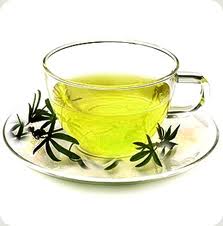
Of course you have heard of Green Tea. Its the in-thing now. Varieties of green tea with different flavours are available to pick and choose from. Sometimes it leaves you confused. 'Problem of the Plenty'. Drink it up. It does you loads of good. Green tea releases catechin, an antioxidant with proven anti-inflammatory and anticancer properties. Research found that drinking 2 to 6 cups a day not only helps prevent skin cancer but might also reverse the effects of sun damage by neutralizing the changes that appear in sunexposed skin. Other studies show that green tea—infused with another antioxidant called epigallocatechin gallate (EGCG)—can boost your cardiovascular health and reduce the risk of most types of cancer.

Switch to Green Tea instead of Coffee or any other beverage. The Koreans add a little rice broth to counter the bitter taste of pure green tea. You can add a dash of lemon or orange juice. Your imagination is the limit.

July 18, 2011

At No 8 Blueberries / Amla

Blueberries are potent little fruits can help prevent a range of diseases from cancer to heart disease. Blueberries areas anti-rust for your gray matter. Besides being rich in fiber and vitamins A and C, they’re also packed with antioxidants. Opt for wild blueberries whenever possible, as they contain 26 percent more antioxidants than cultivated varieties.


Another alternative is the Wild Gooseberry or commonly known in India as AMLA. Want to live longer and healthier then don't miss on eating this anti-oxidant and Vitamin C rich storehouse.

July 12, 2011

Salmon Fish (No 7 of Best Anti-aging Foods)

A 4-ounce serving of salmon has approximately 2,000 milligrams of docosahexaenoic acid (DHA) and eicosapentaenoic acid (EPA), omega-3 fatty acids that serve as oil for the brain’s hardware by helping nerve cells communicate with one another. Thirty-five percent of your brain consists of fatty acids like these, but they can decline as the years stack up. Studies have found that the brain tissue of 65 to 80-year-olds contains 22 percent less DHA than the brain tissue of 29 to 35-year-olds. “If you want to keep your wits about you as you age, start consuming Omega-3s.

Fish Oil capsules can be had in case salmon is not available and also for vegetarians. Avoid Cod and Shark liver oil. Fish oil is taken from the body of the fish and not its organs. Flax-seeds are another good source of Omega-3.

July 11, 2011

No 6 (40 Best Foods)

The carnosic acid found in this spice has been shown to reduce stroke risk in mice by 40 percent, according to a study published in the Journal of
Neurochemistry. Carnosic acid appears to set off a process that shields brain cells from free-radical damage, which can worsen the effects of a stroke. It can also protect against degenerative diseases like
Alzheimer’s and the general effects of aging.

Ask for Rosemary powder in any convenient stores. It can be had as a tea extract or added with oregano as pizza or sandwich toppings.

November 04, 2010

No 5 Spinach (40 Best Anti Aging Foods)

It may be green and leafy, but spinach—a renowned muscle builder—is also the ultimate man food. The heart-health equivalent of a first-ballot Hall of Famer, spinach is replete with the essential minerals potassium and magnesium, and it’s one of the top sources of lutein, an antioxidant that may help prevent clogged arteries. Plus its vitamins and nutrients can bolster bone-mineral density, attack prostate cancer cells, reduce the risk of skin tumors, fight colon cancer, and, last but not least, increase blood flow to the penis. “Popeye was on to something,” says Susan Bowerman, assistant director of the Center for Human Nutrition at the University of California .

September 05, 2010

No 4 (40 Best Anti-Aging Foods)

SWEET POTATO

Often confused with yams, these tubers are one of the healthiest foods on the planet. In addition to countering the effects of secondhand smoke and preventing diabetes,
sweet potatoes contain glutathione, an antioxidant that can enhance nutrient metabolism and immune system health, as well as protect against Alzheimer’s, Parkinson’s, liver disease, cystic fibrosis, HIV, cancer, heart attack, and stroke. What’s more, they’re also loaded with vitamin C, which smoothes out wrinkles by stimulating the production of collagen. A recent study in the American Journal of Clinical Nutrition found that volunteers who consumed 4 milligrams of C (about half a small sweet potato) daily for 3 years decreased the appearance of wrinkles by 11 percent.

For the first 4 foods that heal see previous posts. More in next post.

September 01, 2010

No 2 Flax Seeds

Rich in protein and fiber, these little seeds offer a payload of omega-3 fatty acids, which erase spots and iron out fine lines in the skin. The British Journal of Nutrition reported that participants in one study who downed about half a teaspoon of omega-3s daily in 6 weeks experienced significantly less irritation and redness, along with better-hydrated skin. A recent study of people with high cholesterol (greater than 240 mg/dL) compared statin treatment with eating 20 grams of flaxseed a day. After 60 days, those eating flaxseed did just as well as those on statins. Try sprinkling ground flaxseed on oatmeal, yogurt, and salads.

August 31, 2010

The 40 Best Age-Erasing Superfoods

The latest science on the muscle-building, brain-enhancing, wrinkle-erasing, heart-strengthening, bone-protecting, immunity-boosting, and inflammation-fighting foods you should be eating every day.


No 1. ALMONDS

These energy-rich snacks lower bad cholesterol, thanks to plant sterols, and benefit diabetics by lowering blood sugar. They’re also rich in amino acids, which bolster testosterone levels and muscle growth. Almonds are also stuffed with vitamin E, which helps defend against sun damage. In a study, volunteers who
consumed 14 milligrams of the vitamin (about 20 almonds) per day and then were exposed to UV light burned less than those who took none. And because vitamin E is an antioxidant, it also works to keep your arteries free of dangerous free radicals. Low levels of vitamin E are also associated with poor memory performance and cognitive decline, says dietitian Sari Greaves of New York Presbyterian Hospital–Cornell.

Will post one food every day. So watch this blog!!!!

August 13, 2010

Reduce Cholesterol the Natural Way

Lauki (Latin Lagenaria siceraria) belongs to the curcubitaceae family and is also known as Bottle Gourd.
A glass of Bottle Gourd juice along with 1 tsp lime juice taken every morning on an empty stomach has been known to reduce cholesterol.

October 15, 2007

Sweet Potato - A recipe for good health

The sweet potato (Ipomoea batatas), commonly called a yam in parts of the United States (especially in the southern and western portions of the country; this terminology causes some confusion with true yams) is a crop plant whose large, starchy, sweet tasting tuberous roots are an important root vegetable. The young leaves and shoots are sometimes eaten as greens. The sweet potato is only distantly related to the potato (Solanum tuberosum). It is even more distantly related to the true yam (Dioscorea species) which is native to Africa and Asia.

The genus Ipomoea that contains the sweet potato also includes several garden flowers called morning glories, though that term is not usually extended to Ipomoea batatas. Some cultivars of Ipomoea batatas are grown as houseplants.

This plant is a herbaceous perennial vine, bearing alternate heart-shaped or palmately lobed leaves and medium-sized sympetalous flowers. The edible tuberous root is long and tapered, with a smooth skin whose color ranges between red, purple, brown and white. Its flesh ranges from white through yellow, orange, and purple.

Sweet potatoes contain plant sterols, compounds that help lower cholestrol.

Eat with jacket to reap the benefits of soluble and insolubel fibre. Fibre reduces cholestrol and divericulosis.

Beta carotene is a powerful antioxidant that lowers risk of heart disease and certain cancers.

Sweet potatoes are a good source of vitamin C, B6, folate and potassium.

Sweet potatoes are nutritious and have a rich flavour.

When buying sweet potatoes, choose firm ones with no cracks or bruises. The flavor of raw sweet potatoes might be altered if they're kept in a refrigerator. They should last for two weeks or more if stored in a cool, dark, well-ventilated place and handled with care. If the temperature is too warm -- above 60° F. -- they'll sprout sooner or become woody. Once cooked, sweet potatoes can be stored for up to 1 week in the refrigerator. Like potatoes, sweet potatoes are always eaten cooked, but their sweetness makes them versatile. They can be used in a wide variety of dishes, both savory and sweet, and go well with cinnamon, honey, lime, ginger, coconut and nutmeg. Enjoy them in baked desserts and quick breads, puddings and custards, casseroles, stews or croquettes.

Here is a great and fast recipe.

Sweet potatoes, baked with honey and butter.

Ingredients:
  • 2/3 cup honey
  • 1/2 cup butter
  • 1 teaspoon salt
  • 8 sweet potatoes

Method:

Combine honey, butter and salt. In a greased baking dish, layer the sweet potato slices and honey-butter mixture. Bake at 350 degrees for about 30 minutes. Baste frequently.


Serves 6


October 12, 2007

Foods that Heal - Grapefruit


The grapefruit is a sub-tropical citrus tree grown for its fruit which was originally named the "forbidden fruit" of Barbados.[1]

These evergreen trees are usually found at around 5-6 m tall, although they can reach 13-15 m. The leaves are dark green, long (up to 150 mm) and thin. It produces 5 cm white four-petalled flowers. The fruit is yellow-skinned, largely oblate and ranges in diameter from 10-15 cm and has an acidic yellow segmented pulp. The numerous cultivars include the white grapefruit and the red, of which the 1929 US Ruby Red (of the Redblush variety) has a patent. The fruit has only become popular from the late 19th century; before that it was only grown as an ornamental plant. The US quickly became a major producer of the fruit, with orchards in Florida, Texas, Arizona, and California. In Spanish, the fruit is known as toronja or pomelo.

Grapefruits are high in pectin, a soluble fibre that helps to reduce cholestrol. Recent studies indicate that grapefruit contain substances that prevent disease. Lycopene, an antitoxidant found in pink and red fruits lower prostate cancer risk.

Grapefruits contain phenolic acids which inhibits the formation of cancer-causing nitrosamines; limonoids, terpenes and monoterpenes, which induce the production of enzymes that help prevent cancer.

They also contain bioflavonoids, which inhibit the action of hormones that promote tumour growth.

Grapefruit also helps in cases of rheumatoid arthritis, lupus and inflammatory diseases.

The fruit is rich in Vitamin C. A cup of freshly-squeezed grapefruit juice has 95 mg of vitamin C, more than 100 % of RDA.

It is also low in calories.

October 11, 2007

Foods rich in Omega-3 Fatty Acids

Flax (also known as Common Flax or Linseed) is a member of the genus Linum in the family Linaceae. The New Zealand flax is unrelated. Flax is native to the region extending from the eastern Mediterranean to India and was probably first domesticated in the Fertile Crescent.[1] It was extensively cultivated in ancient Egypt.

It is an erect annual plant growing to 1.2 m tall, with slender stems. The leaves are glaucous green, slender lanceolate, 20-40 mm long and 3 mm broad. The flowers are pure pale blue, 15-25 mm diameter, with five petals. The fruit is a round, dry capsule 5-9 mm diameter, containing several glossy brown seeds shaped like an apple pip, 4-7 mm long.

In addition to the plant itself, flax may refer to the unspun fibres of the flax plant.

Flax has long been known for its use in linen clothing, and now it is gaining considerable attention as a food for its possible role in lowering the risk of heart disease. Flaxseed is an ancient, blue flowering crop cultivated extensively in Canada. The flax plant produces a fiber from which linen is woven and an edible seed from which oil can be extracted. During the industrial revolution, flaxseed oil, also called linseed oil, was commonly used in paints, varnishes, and linoleum.

Flaxseed has long been valued for its health benefits but only recently have researchers investigated its helpful compounds. One of the unique characteristics of flax is the oil in the seed. Flaxseed is over 40 percent oil. Like other vegetable oils, flax oil is a mixture of fatty acids, but it is the highest single source of a fatty acid called alpha-linolenic acid or ALA.

ALA is a member of the omega-3 fatty acid family. They are essential fatty acids, which the body cannot make, but absolutely needs for normal growth and development. These fats must be supplied by diet. Hundreds of studies have shown that diets rich in omega-3 fatty acids decrease risk of heart attacks, strokes, and abnormal heart rhythms. Lately, omega-3 fatty acids have become more visible in the grocery store as various producers are selling eggs that are rich in omega-3 fatty acids. Well the easiest way to increase the omega-3 fatty acids in eggs is to feed the hen flaxseed. Thus, we the end consumer, have a choice—eat omega-3 enriched eggs or go to the source and add flax to our diet directly!

Whole flax seeds are sold inexpensively at natural-food stores and some Indian grocery stores. It is best to buy them whole and grind them as needed in a coffee grinder. It is imperative to grind these tiny, hard-shelled seeds, or they will pass through the body undigested. Ground flax meal is also available in some health stores but it should be refrigerated in an airtight, opaque container, where it will keep for up to 30 days. You’ll know that flax meal has spoiled if it smells like oil paint.

These little brown seeds also make a great egg substitute. When flax seeds are blended with water, they develop a texture like egg whites. This slightly gummy substance can be used in place of eggs or egg whites in baked goods or as an excellent binder in meatless-loaves made from nuts, grains, and vegetables.

To replace one egg, grind about 1 tablespoons of flax seeds to a fine powder in a blender, spice mill, or food processor. Add 3 tablespoons of water and blend until slightly thickened, about a minute. If mixing by hand after grinding the seeds, whisk vigorously for a few minutes to thicken the mixture. This egg substitute is not suitable for recipes like soufflés or sponge cakes.

Here is the recipe for the nutritious chutney. Enjoy it any way you like!

Flaxseed is high in fiber, so it’s important to increase water intake along with increased in flax intake.

AKSHI CHUTNEY

1 cup flax seeds
10-12 curry leaves
6-8 dried red chillies
Salt to taste

In a toaster oven place the seeds, curry leaves, and red chilies at 250 degrees for 10-12 minutes. You will get the nutty roasted aroma. Cool for 15 minutes and grind the seeds to the consistency of cornmeal in a coffee grinder. Store in airtight container in the refrigerator for one month.

October 05, 2007

Foods that Heal - Hypertension

Cure hypertension the natural way. Here's a yogic way of controlling and reducing your HBP and watch your BP come to normal. Please consult your physician prior to trying the diet.

Cure hypertension the natural way. Here's a yogic way of controlling and reducing your HBP and watch your BP come to normal. Please consult your physician prior to trying the diet.

1. Juice diet for 5 days with warm water.

2. All fruit diet for next 5 days taken at 4 to 5 hourly intervals

3. There after adopt the following diet
Early morning - onion juice + honey
Break fast- bowl of mixed fruit + skimmed milk + porridge made of millets, barley, wheat germ, rice bran, 10 almonds, hand full of ground nuts .
Mid morning meal - green tea or butter milk with mint and curry leaves
Lunch - vegetables +whole wheat bread or Chapati + cup of brown rice+ meat or chicken +daal + salad +yoghurt.
Mid after noon - orange juice or carrot juice
Dinner - raw vegetable salad + sprouts +soups+ fish

October 04, 2007

Foods that Heal - Hypertension

High blood pressure or hyper tension --a major cause for heart attacks, is very common condition of body that is faced by majority of the people in today's fast paced world .Many are unaware of the semi permanent state of tension they live in. Those who have accepted HBP as part of their life are dependent on treatments with antihypertensive or tranquilizing drugs.

Foods that are natural and easily available in kitchen can help in preventing and controlling HBP in a natural way. Following are free foods that heal. Foods which are rich in potassium, calcium, Vit-E, A, B3 , Choline, Inositol, and Chromium help control HBP and prevent HBP.


Foods rich in potassium

Raw banana

Beetroot

Peas

Baked potato

Tomato

Orange

Peanuts

Raisins

Skimmed milk

Yoghurt

Split green gram

Cow peas

Split red green gram

Moth beans

Lotus stem

Sword beans

Bael fruit

Colocasia(arbi)


Foods rich in calcium

Peas

Baked potato

Tomato

Orange

Peanuts

Raisins

Skimmed milk

Yoghurt

Split green gram

Cow peas

Split red green gram

Moth beans

Lotus stem

Sword beans

Bael fruit

Colocasia(arbi)

Foods with vit-E

Wheat germ

Sun flower seeds

Safflower oil

Sun flower oil

Soy bean oil

Eggs

Sprout seeds

Butter


Foods rich in calcium

Milk

Yoghurt

Spinach

Cucumber

Red gram

Parsley

Drumstick leaves

Turnip greens

Cabbage

Indian gooseberry

Country guavas


Foods rich in vit-A

Colocasia leaves

Turnip leaves

Drumstick leaves

Beet greens

Radish leaves

Carrot

Lettuce

Mango

Apricots

Passion fruit

All leafy vegetables

Liver of sheep butter


Foods rich in vit- B3

Rice bran

Ground nut roasted

Liver of sheep

Barley

Par boiled rice

Turnip greens

Almonds

Sun flower seeds


Foods rich in Choline

French millet

Field beans

Lentil

Peas dry

Beetroot

Ground nuts

Apples

Indian goose berry

All sea foods


Foods rich in Inositol

Grape fruit

Wheat germ

Peanuts

cabbage


Foods rich in chromium

Areca nut

Betel leaves

Almonds

walnuts

October 02, 2007

Foods that Heal - Chillies

Chillies or chili pepper, or more simply just "chili", is the fruit of the plants from the Genus Capsicum and family Solanaceae. The name, which is spelled differently in many regions (chili, chile or chilli), comes from the Spanish word chile. These are also called bell peppers, peppers, and paprika in many countries. (Courtesy Wikipedia)

Indian food uses a lot of chillies. There are the red and the green varieties. Nothing like a red hot spicy chicken tandoori on a cold winter or a rainy day. Chillies belong to the foods that heal and have formed a part of nature cure in the Indian households for centuries. Contrary to the popular belief, there is no evidence that chillies cause ulcers or digestive disorders. Chillies are good for you. Here’s why.

An excellent source of beta carotene and vitamin C. The spicier the chili, the greater the content of vitamin C. Chillies are supposed to contain the largest amount of this important vitamin, only after Amla or the Indian Gooseberry. One raw pepper contains about 65 mg (100% of RDA)

Helps prevent nasal congestion.

Chillies are good sources of antioxidants.

Chillies contain bioflavonoids that prevent cancer

Capsaicin – the stuff that gives chillies their spice - is known to act as an anticoagulant to prevent blood clots.

Spice up your life – Bon Appetit.